

To an outsider, an ad film looks like one event: a shoot. In reality the shoot is maybe a fifth of the work, sandwiched between weeks of planning before and weeks of crafting after. Understanding the full journey — from the moment a brief lands to the moment a final cut gets approved — does two things for you as a brand: it tells you where your involvement actually matters, and it shows you why a film costs what it costs. So here’s the whole process the way an advertising film production house in Mumbai runs it, stage by stage, with the jargon translated as we go.
Stage 1: The brief and the idea
Everything starts with the brief — your objective, audience, message, and constraints. A sharp brief produces sharp work; a fuzzy one produces expensive guesswork (we mean it — see what clients get wrong about briefing). From the brief comes the concept and a script, then a storyboard that turns words into a frame-by-frame plan everyone can align on before money is spent.
Stage 2: Pre-production
This is the unglamorous stage that quietly decides whether your shoot succeeds. Pre-production covers casting, location recce, permissions, crew assembly, scheduling, and the production design plan. It’s where a recce walks the actual locations, where the right faces get cast, and where experienced advertising filmmakers in Mumbai solve a hundred small problems on paper instead of on a costly shoot day.
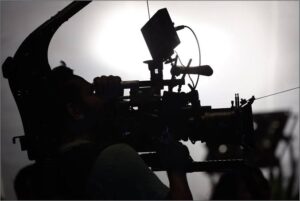
Stage 3: Production (the shoot)
The shoot is where the plan meets reality. A director leads, a DOP (Director of Photography) owns the look, and departments — camera, lighting, art, sound, hair and makeup, production — move in sync. Good pre-production is what makes a shoot feel calm. Want proof it can be done fast when the planning’s tight? Read shooting an ad film in 24 hours.
Stage 4: Post-production
Now the footage becomes a film. Editing shapes the story, colour grading sets the mood, sound design and music give it feeling, and VFX adds whatever the camera couldn’t capture. This is the stage people underestimate most — the difference between a flat cut and a film that sings often comes down to the edit suite. It’s why some brands keep a top video editing agency in Mumbai on speed dial; we’d argue it’s better when the same team that shot it also cuts it, because the intent never gets lost in handover.
Stage 5: Delivery and versioning
Last comes the part brands forget to plan for: delivery in every format you need. A broadcast TVC, digital cutdowns, square and vertical edits, captioned versions. One film often becomes a dozen deliverables, and planning that from the start saves a painful scramble at the end — and another round of fees with a separate video editing agency.
Why knowing this helps you
When you understand the five stages, you stop seeing an invoice as one big number and start seeing the work behind it. To see how we run this process end to end, our process and pricing page lays it out, and our projects show the results. Ready to start at Stage 1? Send us your brief.